The Invisible Elite: How Serious Collectors Are Making Anonymity the New Flex
For years, the collecting world ran on visibility. You posted your graded 9.8 first-appearance key issue. You shared your sealed Famicom haul. You dropped your sneaker wall on Reddit and watched the upvotes roll in. Clout was currency, and the more people who knew about your collection, the better.
That playbook is quietly getting shredded.
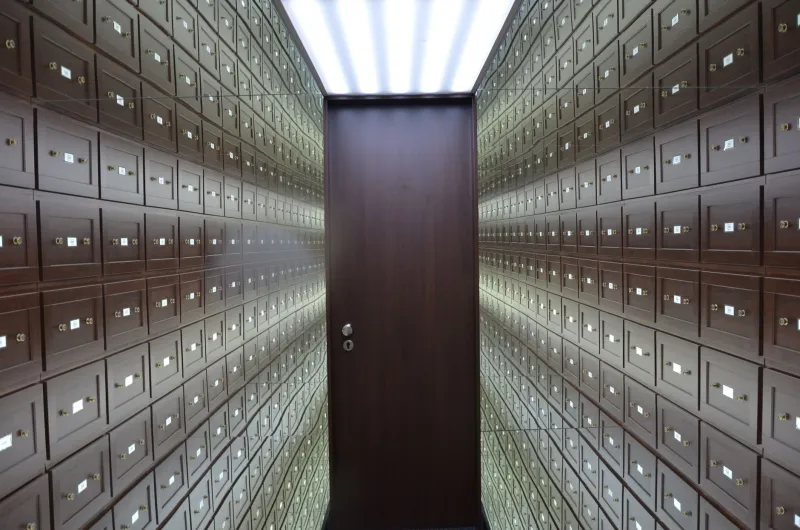
A distinct shift is happening among serious, high-dollar collectors across the United States — a deliberate retreat from public-facing collecting culture. No social media showcases. No Heritage Auctions previews. No collector community threads. Just private acquisitions, locked vaults, and a growing belief that the most powerful thing you can own is something nobody else knows you have.
Welcome to the era of the silent collector.
Why the Loudest Room Got Quiet
It didn't happen overnight. The seeds were planted during the pandemic-era boom, when platforms like Instagram and TikTok turned collecting into performance art. Unboxing videos went viral. CGC slab reveals hit millions of views. Suddenly, everyone with a PSA-graded rookie card was a content creator.
The problem? Visibility created targets. High-profile collectors started reporting theft, fraud attempts, and an exhausting flood of lowball offers from people who'd seen their inventory online. Insurance premiums crept up. Privacy became a practical concern, not just a preference.
But something else happened too — the market itself started reacting to hype in ways that punished public collectors. When a piece got too much social media attention, speculators flooded in, prices spiked artificially, and then crashed. Collectors who'd posted their holdings found themselves sitting on items whose values had been warped by the very exposure they'd generated.
The quieter crowd? They were buying at the bottom and selling at the top, and nobody saw it coming.
Anonymity as Taste Level
Here's where it gets interesting. What started as a practical decision — keep your collection private to protect it — has evolved into something more cultural. Among a certain tier of serious collectors, staying invisible has become a genuine status signal.
Think about how this works in other luxury markets. The wealthiest art buyers in New York don't post their Basquiats on Instagram. The most serious watch collectors aren't running YouTube channels about their Patek Philippe pieces. Discretion has always been part of how old money operates, and collecting culture is finally catching up.
The logic goes like this: if you need other people to validate your collection, you're probably not confident enough in your own taste. The collectors who are most secure in what they're doing — the ones buying deeply researched pieces with genuine long-term conviction — don't need the dopamine hit of a viral post. Their satisfaction comes from the acquisition itself, not the audience.
That psychological shift is real, and it's reshaping what gets considered "serious" collecting versus hobbyist behavior.
What the Silent Market Is Actually Buying
So what are these invisible collectors chasing? Based on conversations with dealers, auction insiders, and estate sale specialists across the country, a few patterns emerge.
First, provenance-heavy pieces with clean paper trails. When you're not performing for an audience, you can focus entirely on the quality of the item itself — its history, its condition, its long-term trajectory. Silent collectors tend to prioritize depth over flash.
Second, categories that don't photograph well. Manuscripts, correspondence, original production documents, pre-code comics in mid-grade condition — these aren't Instagram-friendly, but they're historically significant and increasingly rare. The hype crowd ignores them. The serious money doesn't.
Third, items from undervalued niches that haven't been discovered by the content-creator economy yet. When a category goes viral on TikTok, prices spike and quality drops as fakes flood the market. Silent collectors are specifically hunting in spaces that haven't been touched by that cycle.
The Community Question
One of the more counterintuitive aspects of this movement is how it intersects with collector communities. Traditional wisdom held that community participation — showing up at shows, engaging in forums, sharing knowledge — was how you built credibility and deal flow.
Silent collectors are challenging that model. Many are building smaller, more exclusive networks of trusted dealers and fellow collectors who operate entirely outside public view. Think private Signal groups instead of Reddit threads. Invitation-only viewings instead of convention floor appearances.
This isn't antisocial behavior — it's curated access. And in a world where collector communities have become increasingly noisy, commodified, and frankly exhausting, the appeal of a tight, high-trust network is obvious.
Dealers who operate in this space describe it as a return to how serious collecting always worked before the internet democratized — and in some ways, cheapened — the experience. The best deals, the rarest finds, the most significant pieces: they've always moved through relationships, not posts.
Does Invisibility Actually Protect Value?
This is the question worth sitting with. Does keeping a collection private actually preserve or enhance its value, or is this just a rationalization for antisocial behavior?
The evidence leans toward yes, with some nuance. Items that haven't been overexposed in the market tend to command stronger prices when they do surface. Scarcity of information creates demand when the piece finally appears at auction or in a private sale. There's a reason the phrase "fresh to market" gets auction houses excited — it means nobody's seen this piece in years, maybe decades, and serious buyers respond to that.
On the flip side, some categories genuinely depend on community recognition and cultural relevance to hold value. A graded trading card's worth is partly a function of how much the hobby cares about that player, that set, that era. Complete invisibility in those markets could mean missing the cultural moments that drive appreciation.
The smart silent collectors seem to understand this distinction. They're not going dark across the board — they're being selective about what they share and what they protect.
The Takeaway for Regular Collectors
You don't have to go completely off-grid to take something useful from this shift. But it's worth asking yourself whether the visibility you're maintaining around your collection is actually serving your interests — or just feeding an audience.
Some questions to sit with: Are you posting acquisitions in ways that could make you a target? Are you chasing items because they're getting social media attention rather than because you genuinely believe in their long-term value? Are you spending energy on community performance that could go toward deeper research?
The silent collector movement isn't about secrecy for its own sake. It's about realigning your collecting practice around what actually matters — the objects, the history, the craft of building something genuinely significant over time.
In a market that's gotten very loud very fast, that kind of quiet confidence might be the rarest find of all.