Proof of Real: How Collectors Are Weaponizing Blockchain and Forensic Tech to Crush the Counterfeit Crisis
Let's be honest — getting burned by a fake is practically a rite of passage in the collecting world. Ask around long enough and someone will tell you about the signed jersey that turned out to be a Sharpie special, or the "first edition" comic that was printed sometime around 2019. It happens. It's always happened.
But something shifted in the last few years that's making veteran collectors genuinely nervous. The fakes are getting better. Faster. Harder to catch. And the people making them have access to the same technology the rest of us do — which means the old playbook for spotting counterfeits is starting to show its age.
The good news? Collectors aren't just sitting there taking it. A whole ecosystem of authentication technology has quietly emerged, and some of it is genuinely impressive.
Why Traditional Grading Isn't Enough Anymore
For decades, third-party grading services like PSA, BGS, and CGC were basically the gold standard for authentication. Send your card, comic, or coin in, get it slabbed, and you had something the market trusted. That system still works — mostly — but it was built for a different era.
The problem is that graders are human, and they're working fast. A PSA grader evaluating thousands of cards a week is looking for obvious red flags: trimming, recoloring, artificial aging. What they're not equipped to catch are the increasingly sophisticated forgeries being produced with UV-stable inks, period-accurate paper stocks, and printing equipment that can replicate dot patterns from 50-year-old presses.
"The gap between what a skilled forger can produce and what a visual inspection can detect has never been wider," says Marcus Holt, a collectibles authentication consultant based out of Atlanta who's worked with several major auction houses. "We're not saying grading services are useless — far from it. But if that's your only line of defense, you're exposed."
Collectors who've been stung by high-quality fakes tend to agree. One Chicago-based sports memorabilia collector — who asked not to be named because he's still pursuing legal action — spent close to $8,000 on what he believed was a game-used Mickey Mantle bat with provenance documentation. The paperwork was immaculate. The bat passed a visual inspection. It wasn't until he had it tested by a forensic lab that the wood grain dating came back wrong by about 30 years.
"The documentation was actually more convincing than the bat," he said. "That's what scared me. Someone put real effort into that paper trail."
Enter the Blockchain Certificate
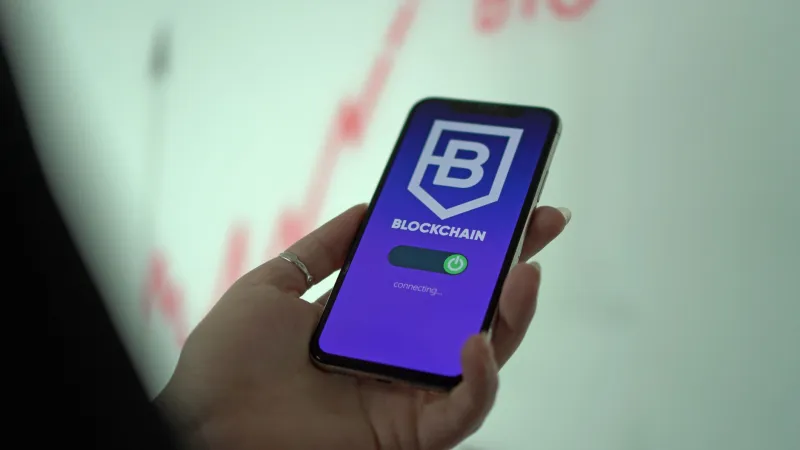
One of the more talked-about solutions in collecting circles right now is blockchain-based provenance tracking — basically a permanent, tamper-proof digital record tied to a specific physical item.
The concept isn't new. The art world has been experimenting with it for years. But it's finally gaining traction in collectibles markets, particularly in trading cards, sneakers, and high-end memorabilia.
Companies like Legitify and Vaultik are building platforms that let sellers register items at the point of sale, creating a cryptographic chain of custody that follows the item through every subsequent transaction. Each transfer gets logged. Each authentication check gets recorded. And because the records live on a distributed blockchain rather than a single company's server, they're essentially impossible to retroactively falsify.
The pitch is compelling: instead of trusting a piece of paper that says a card is authentic, you can verify an unbroken digital record stretching back to the original sale. For vintage items that predate these systems, some services are working on retroactive registration tied to forensic fingerprinting — essentially giving an old collectible a digital identity based on its unique physical characteristics.
It's not a perfect system. Blockchain only works if the item was registered honestly in the first place, which means the first link in the chain still requires human judgment. But for anything entering the market today, it's a meaningful layer of protection.
Microscopic and Spectral Analysis: The Science Gets Serious
Beyond blockchain, some of the most exciting developments in authentication are happening at the forensic science level — and they're filtering down from fields like art authentication and document forensics into the collectibles space.
Spectral imaging, for example, can reveal ink compositions invisible to the naked eye. Different inks from different eras have different chemical signatures, and a handheld device called a multispectral analyzer can detect those differences in seconds. A signature written in 1965 and one written last Tuesday will look identical under normal light — but not under the right spectrum.
Paper and substrate analysis has gotten similarly precise. Radiocarbon dating, once reserved for archaeological artifacts, is now being used on high-value collectibles to verify age claims. It's not cheap — a full forensic analysis can run anywhere from a few hundred to several thousand dollars — but for a piece worth six figures, it's cheap insurance.
NFC chips embedded in physical items are another growing trend, particularly in the sneaker and streetwear markets. Brands like Nike have already experimented with chip-embedded authentication tags, and third-party services are now offering aftermarket NFC registration for vintage items. Tap the chip, pull up the verified record. Simple, fast, and significantly harder to fake than a sticker or hologram.
The Community Factor: Collectors Policing Each Other
Technology is only part of the story. Some of the most effective counterfeit detection is still happening in collector communities — Discord servers, subreddits, and hobby forums where enthusiasts pool their knowledge and call out suspicious listings in real time.
There are dedicated authentication channels in major collecting communities where members can post high-resolution images of questionable pieces and get feedback from dozens of experienced eyes within hours. It's crowdsourced expertise, and it's surprisingly effective at catching fakes that slip past formal channels.
"The community has become its own authentication layer," says Renata Voss, a vintage comic collector and moderator of a large online grading discussion group. "We've flagged things that came back from grading companies with passing grades. Not because the graders were incompetent — but because we had 200 people looking at a single book, and someone caught something."
That collective intelligence is increasingly being formalized. Some platforms are building reputation systems that weight authentication opinions by track record, essentially turning community expertise into a verifiable credential.
What This Means for Your Collection
If you're buying anything of significant value — let's say over a few hundred dollars — the baseline advice hasn't changed: buy from reputable sources, get third-party grading where it makes sense, and do your homework on provenance.
But the smart collectors right now are going further. They're requesting forensic documentation on high-ticket purchases. They're choosing platforms that offer blockchain provenance tracking over those that don't. They're tapping into community authentication channels before pulling the trigger on anything that feels slightly off.
The forgery problem isn't going away. If anything, the economics of counterfeiting get better every year as collectibles values climb and printing technology improves. But the verification tools are getting sharper too — and collectors who learn to use them aren't just protecting their investments. They're helping raise the floor for the entire hobby.
The vault is only as secure as the locks you put on it. Right now, the best collectors are installing a lot of locks.