Tiny Figures, Massive Money: Inside the Designer Toy Market's Billion-Dollar Shadow Economy
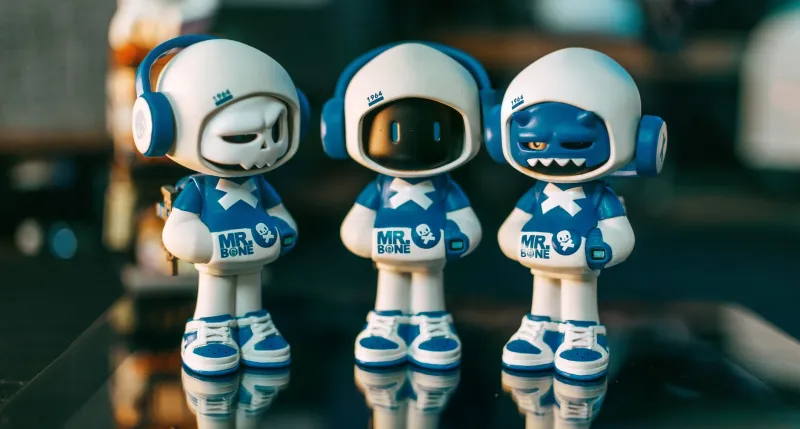
Picture a six-inch vinyl figure — simple in design, rounded edges, no moving parts, no electronics. It retails for $120 at a pop-up event in New York City. Three weeks later, the same figure is listed on eBay for $800. A month after that, one sells at a Japanese auction house for $1,400. By the end of the year, a variant colorway of that same design is changing hands between private collectors for $6,000.
This isn't a hypothetical. It's a rough sketch of what's happened repeatedly in the designer toy market over the past decade — and it's still happening right now.
The collectible art toy space has grown from a niche art-world curiosity into a genuinely staggering secondary market, estimated to be worth several billion dollars globally and growing fast. For collectors who've been paying attention, the opportunity has been real. For newcomers walking in blind, the risks are equally significant.
What Exactly Is a Designer Toy?
If you're newer to this corner of the collecting world, a little context helps. Designer toys — sometimes called art toys or urban vinyl — emerged in the late 1990s and early 2000s as a collision between street art, fine art, and toy culture. Artists like KAWS (Brian Donnelly), Takashi Murakami, and toy companies like Medicom Toy and Kidrobot started producing limited edition figures that existed somewhere between sculpture and collectible.
They weren't traditional action figures. They weren't meant to be played with. They were, from the start, objects made for display and collection — and the limited production runs were intentional. The scarcity was baked in as part of the concept.
That original design philosophy — make fewer than the market wants, create demand through limitation — turned out to be an extraordinarily powerful economic engine.
The KAWS Effect and the Art Premium
No single figure in this space illustrates the market's trajectory better than KAWS. Brian Donnelly started as a graffiti artist in New York, moved into commercial design, and began producing vinyl figures in the late 1990s that blended his signature XX-eyed characters with recognizable pop culture shapes.
Early KAWS Companions — his most iconic figure design — retailed for under $100 in the early 2000s. Original colorways from those first runs now sell at major auction houses for tens of thousands of dollars. A 2017 KAWS holiday figure that retailed around $150 was trading above $1,500 within months of release. His work has crossed over so completely into the fine art world that Christie's and Sotheby's now regularly feature his pieces in contemporary art sales.
What KAWS demonstrated is that when an artist has genuine cultural staying power, the collectible market reflects it at every scale — from $200 vinyl drops to million-dollar canvas paintings. The figures aren't just toys anymore; they're entry points into a broader art investment ecosystem.
Medicom Toy's BE@RBRICK line follows a similar logic. These modular bear-shaped figures in various sizes (the 1000% BE@RBRICK, standing about 28 inches tall, is the premium format) have featured collaborations with everyone from Chanel to Banksy to NASA. A 1000% BE@RBRICK from a sought-after collaboration can retail around $300 to $500 and quickly reach $2,000 to $5,000 on secondary markets. Rare vintage examples from early in the line's history command even more.
Blind Boxes: The Gamble That Became a Global Phenomenon
Layered on top of the premium art figure market is the blind box phenomenon, which operates on a completely different psychological mechanism — and has created its own massive shadow economy.
Brands like Pop Mart (based in China but enormously influential in US collecting circles) produce figures sold in sealed packaging where the buyer doesn't know which design they're getting. Series typically include common figures, uncommon variants, and ultra-rare "secret" figures with odds sometimes as low as 1 in 144 boxes. The gambling-adjacent thrill of the blind pull drives both individual purchases and a robust secondary market where rare pulls trade at 10x to 50x retail price.
Pop Mart's Labubu figures, Molly series, and collaborations with Western artists have created genuine trading frenzies in the US market. Certain secret figures retail for under $20 per box but sell for $300 to $800 on StockX, eBay, and dedicated collector apps like Whatnot.
This is also where the shadow economy gets genuinely shadowy. International reseller networks — operating primarily through WeChat groups, Discord servers, and private Instagram accounts — coordinate bulk purchasing across multiple regions to corner supply on high-demand releases. Some of these operations are sophisticated enough to use bots on brand apps and websites, mirroring tactics from the sneaker resale world.
Bot Culture and the Drop-Day Arms Race
If you've ever tried to cop a limited designer toy through an official brand app or website and found everything sold out in under two minutes, you've experienced the bot problem firsthand. The same automated purchasing software that dominates sneaker drops has migrated into the art toy space.
Some reseller groups run dozens of accounts simultaneously, using bots to maximize their allocation of any given drop. By the time a human collector refreshes their browser, the inventory is gone — and it's already being listed on secondary markets at inflated prices.
Brands have tried various countermeasures: lottery systems (Pop Mart uses these for high-demand releases), in-store-only availability, region-locking, and purchase limits. None have fully solved the problem. The economics are too attractive for resellers to walk away from.
For collectors, the practical takeaway is that chasing drop-day availability on the most hyped releases is increasingly a losing game unless you're willing to accept secondary market prices. The better strategy is often to monitor the secondary market for price stabilization — many figures peak in the first few weeks post-drop and settle into a more reasonable range as initial hype cools.
Can This Market Sustain Itself?
Honest answer: some of it will, and some of it won't.
The segment of the market tied to artists with genuine fine art credibility — KAWS, Murakami, Futura — has shown remarkable durability because it's plugged into the broader contemporary art economy, which has its own deep-pocketed collector base. These figures aren't going to zero.
The blind box segment is more speculative. It's heavily dependent on trend cycles, influencer attention, and brand consistency. Pop Mart has done an impressive job of maintaining cultural heat, but the history of collectible toy brands is littered with companies that burned bright and then watched their secondary market values crater when the next trend arrived.
For collectors building a serious collection rather than just flipping for profit, the principles are familiar: focus on artists and brands with demonstrated staying power, prioritize condition and original packaging, be skeptical of anything whose value is driven purely by short-term hype, and — as always — buy what genuinely resonates with you. The best pieces in any collection are the ones you'd be proud to own whether or not the market ever validates your taste.
The designer toy market is genuinely exciting, genuinely profitable for the right collectors, and genuinely risky for anyone walking in without doing their homework. At CollectorsVault, that homework is exactly what we're here to help you do.


