Chasing Ghosts: The Hidden Cost of Obsessing Over Your Dream Collectible
There's a moment every serious collector knows. You've been hunting something for years — maybe it's a first-edition pressings, a factory-sealed game, a rookie card in pristine condition — and suddenly it surfaces. Your pulse jumps. Your palms go a little sweaty. And before your brain can run the numbers, your finger is already hovering over the Buy It Now button.
That moment? It's costing you more than you think.
We talk a lot in the collecting world about ROI, grading, and market timing. But there's a quieter, more personal variable that rarely gets examined honestly: the grail premium. It's the invisible markup you pay not for the item itself, but for the story you've built around it. And for a surprising number of collectors, that premium is quietly wrecking their portfolio's performance.
What Exactly Is a "Grail" Anyway?
In collector slang, a grail is your white whale — the one piece that feels like it would complete something. It could be a vintage 1952 Topps Mickey Mantle, a sealed copy of Stadium Events for the NES, a first-print Amazing Fantasy #15, or even a specific colorway of a sneaker that only released in one region. The specifics don't matter as much as the feeling: this is the thing.
Grails are deeply personal, which is exactly what makes them financially dangerous.
When an item carries that much emotional weight, your brain stops processing it like a transaction and starts processing it like a milestone. Suddenly you're not buying a collectible — you're buying the feeling of finally getting it. And that feeling, my friend, does not show up on any resale platform's price history.
The Psychology Behind the Premium
Behavioral economists have a name for what happens here: scarcity bias combined with loss aversion. When you've been hunting something for a long time, the brain starts treating potential acquisition like a near-loss situation. Missing out again feels like losing something you already had. That psychological pressure inflates what researchers call your "willingness to pay" far above what a rational market analysis would suggest.
A study published in the Journal of Consumer Research found that the longer someone pursues a desired object, the higher the price they're willing to accept — regardless of any change in the item's actual market value. In other words, time spent hunting directly inflates your personal price ceiling. The market doesn't move. You do.
For collectors, this plays out constantly. Someone hunts a specific graded card for three years, watches it sit at $800 on various platforms, and then the moment one appears at $1,100 they pull the trigger because they're tired of waiting. They didn't buy at a premium because the card got more valuable. They bought at a premium because their patience ran out.
Real-World Grail Math That Stings a Little
Let's get concrete. Take the vintage video game market, which saw explosive growth between 2020 and 2021. Sealed copies of rare Nintendo titles were hitting record auction prices, and collectors who'd been chasing specific titles for years finally opened their wallets — wide. Some paid two and three times pre-pandemic prices for titles they'd been hunting for a decade.
By late 2022 and into 2023, the market had softened considerably. Heritage Auctions and WATA's own data showed median prices for many "grail" titles retreating 30 to 50 percent from peak. Collectors who bought at emotional highs weren't just underwater — they were holding items they'd overpaid for precisely because they'd waited so long.
The same pattern shows up in the trading card world. PSA 10 examples of certain 1990s insert cards — the kind that circulated in collector forums as near-mythical items — regularly traded at massive premiums during the 2020-2021 card boom. Buyers who finally landed their grails at peak prices have watched comparable copies sell for a fraction of what they paid. The grail didn't disappear. The premium did.
Scarcity Isn't Always What It Looks Like
Here's another trap worth naming: perceived scarcity versus actual scarcity. A lot of grail items feel rare because they're rarely listed for sale — but that's not the same as there being very few of them in existence.
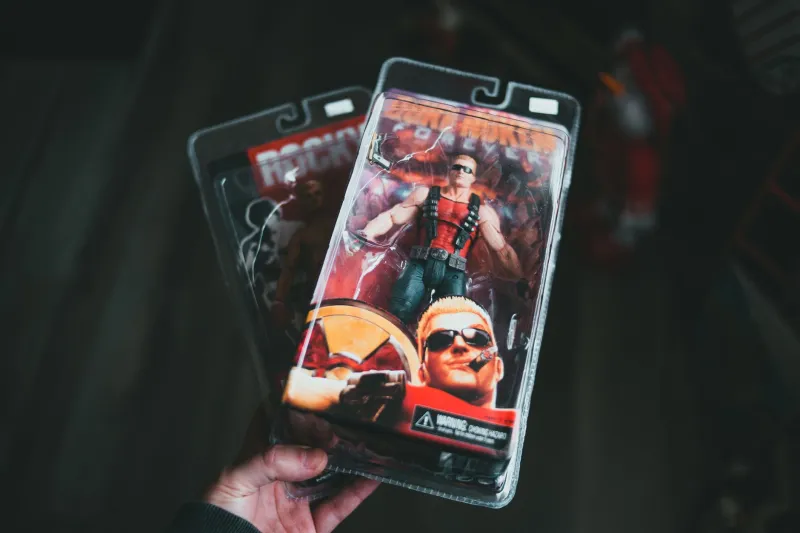
Take certain vintage action figures still in the original packaging. Some of these surface infrequently enough that collectors assume they're genuinely scarce. But when major estate sales hit or a warehouse find surfaces, the market can get flooded almost overnight. Collectors who paid grail-level premiums for items that turned out to have more supply than expected have a hard lesson waiting for them.
Before you treat something as genuinely rare, dig into the actual production numbers if you can find them, check population reports from grading companies, and look at how many copies have sold — not just how many are currently listed. Low listings can mean high demand, but they can also just mean most owners aren't selling right now.
How to Chase a Grail Without Wrecking Your Returns
None of this means you should never go after the piece that's been living in your head for years. Collecting isn't purely a financial exercise, and anyone who tells you it should be has probably never felt the rush of finally landing something special. But there are smarter ways to approach the hunt.
Set a price ceiling before you start searching. Decide what you'd pay based on recent comparable sales — not what you'd pay if the right copy finally appeared after years of waiting. Write the number down. Treat it like a hard stop.
Give yourself a cooling-off window. When a grail surfaces, force yourself to wait 48 hours before buying. It sounds simple, but it works. A lot of emotional premium purchases happen in the first hour of discovery.
Separate the item from the story. Ask yourself honestly: if this exact item showed up in your collection tomorrow with no backstory, no years of hunting, no emotional buildup — what would you pay for it? That's probably closer to its actual value.
Budget for the premium intentionally. If you decide the emotional payoff is worth paying above market, that's a legitimate choice — just make it consciously. Allocate a "grail fund" that's separate from your investment-focused collecting budget. That way you're not accidentally treating a passion purchase as an asset.
Track your grail purchases separately. See how they perform compared to the rest of your collection over time. The data might surprise you — and it'll make you a sharper buyer the next time around.
The Vault Perspective
The best collectors we've talked to over the years tend to share one trait: they've learned to love the hunt without letting the hunt love them back too hard. They'll tell you about the grails they passed on just as proudly as the ones they landed — because knowing when the price doesn't match the value is its own kind of expertise.
Your dream piece is out there. Just make sure when you finally bring it home, you're paying for the collectible — not the years you spent looking for it.