Manufactured Madness: How Brands and Resellers Engineer Collector Panic for Profit
There's a moment every collector knows. You're refreshing a product page at 11:58 a.m., credit card already entered, pulse ticking up. The drop goes live. Within forty seconds, it's gone. You didn't get one. Someone on eBay already has twelve listed at triple retail.
That feeling — that specific cocktail of urgency, frustration, and desperate want — didn't happen by accident. It was designed.
Scarcity manipulation has become one of the most powerful and least-discussed forces shaping the modern collectibles market. Brands, resellers, and even secondary platforms have quietly turned supply restriction into a science. And if you're a serious collector, understanding how the game works is the difference between building a real collection and funding someone else's profit margin.
The Architecture of Artificial Scarcity
Let's be clear about what we mean by artificial scarcity. Natural scarcity exists when something is genuinely rare — a first-edition printing, a production error, a piece that was never widely distributed. Artificial scarcity is something else entirely. It's when a company could produce more units but deliberately chooses not to, specifically to manufacture urgency.
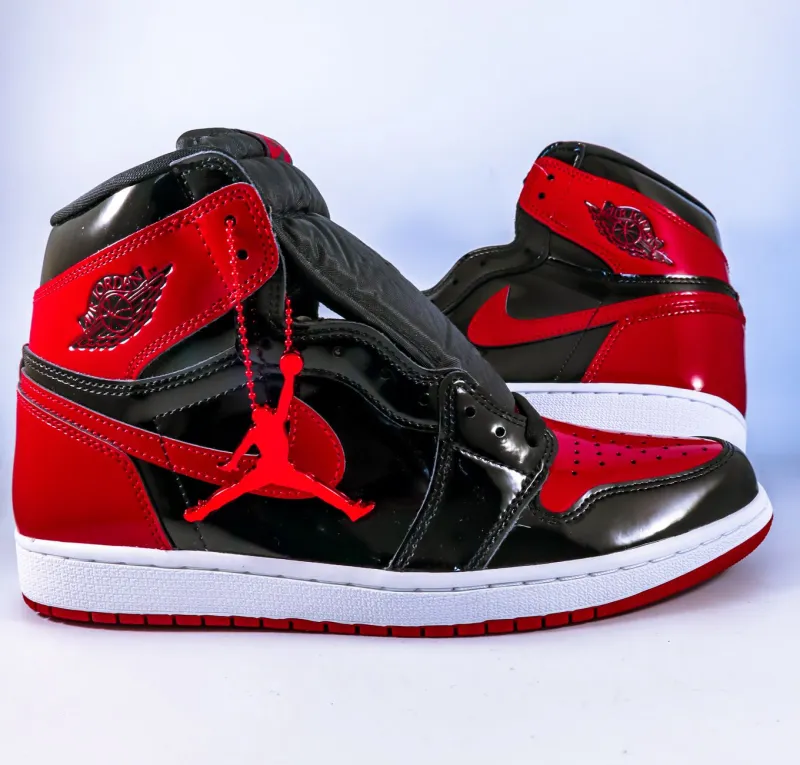
The sneaker industry practically invented the modern playbook. Nike's SNKRS app has been widely criticized for dropping limited colorways in quantities so small that the odds of a successful purchase rival a lottery ticket. Independent analyses of certain Air Jordan releases have suggested that available inventory sometimes represents a fraction of actual consumer demand — not because manufacturing capacity is limited, but because the company benefits from the frenzy. Resale market activity drives cultural cachet. Cultural cachet drives demand for the next drop. The cycle feeds itself.
The trading card industry ran a version of the same script during the pandemic boom. Multiple major publishers released ultra-short-print parallels and exclusive retail variants that were seeded into cases at ratios so low that pulling one felt like striking oil. Prices on the secondary market exploded. Then, when the bubble deflated, collectors who had paid peak secondary prices found themselves holding cards worth a fraction of what they'd spent.
The Psychology They're Exploiting
Scarcity manipulation works because it targets something deeply wired into human decision-making: loss aversion. Research in behavioral economics has consistently shown that people feel the pain of missing out more acutely than they feel the pleasure of an equivalent gain. Brands know this. Retailers know this. And they build entire release strategies around it.
Limited-time windows, countdown clocks, and "only 3 left" notifications aren't features — they're psychological triggers. When you combine genuine enthusiasm for a collectible with manufactured urgency, you get collectors making purchases they wouldn't make with a clear head and a week to think it over.
FOMO — fear of missing out — is the fuel that keeps the engine running. And the collector community, precisely because of its passion and dedication, is particularly susceptible. That love for a franchise, an artist, or a category is real. The manipulation is in how that love gets weaponized against your better financial judgment.
Case Study: The Designer Toy Bubble
Designer toys offer one of the cleaner recent examples of scarcity manipulation cycling through a full arc. Several prominent brands in the space began releasing colorway variants in numbered editions of 50, 25, or even fewer. Secondary prices climbed dramatically. Collectors who got in early made real money flipping.
Then a pattern emerged: the same brands began releasing "exclusive" variants at an accelerating pace. What started as genuine rarity became a content strategy. Suddenly there were convention exclusives, retailer exclusives, online exclusives, anniversary variants, and collab variants — each one positioned as rare, each one competing for the same pool of collector dollars.
The market started to fracture. Resale prices on individual pieces dropped as the sheer volume of "limited" releases diluted the specialness of any single item. Collectors who had paid $300 for a piece found it listing for $80 eighteen months later. The scarcity had been manufactured so aggressively that it eventually consumed itself.
How Resellers Amplify the Problem
Brands aren't the only players in this game. Organized reseller groups — sometimes called "cook groups" — use automation tools, multiple accounts, and insider information to purchase large quantities of limited releases the moment they go live. They then flood secondary markets at marked-up prices, effectively acting as a secondary retail layer that extracts money from genuine collectors.
This creates a compounding effect. The brand restricts supply. Resellers vacuum up available stock. Genuine collectors face inflated secondary prices. The brand's cultural heat rises because of the perceived demand. Everyone wins except the collector who just wanted the thing at a fair price.
Some platforms have tried to fight back with raffles, verified purchase limits, and bot detection. Results have been mixed at best. The infrastructure supporting large-scale reselling is sophisticated and adaptive.
What Smart Collectors Watch For
None of this means you should stop collecting. It means you should collect smarter. Here's what to keep in mind before you get swept up in the next engineered drop:
Watch the release cadence. If a brand is releasing "exclusive" variants every few weeks, the exclusivity is a marketing term, not a meaningful descriptor. Real rarity doesn't have a content calendar.
Track secondary market velocity. Tools like recent sold listings on eBay or price-tracking sites can show you whether a hyped item is actually holding value after the initial frenzy or dropping quickly. If prices crater within weeks of a drop, that's a signal about the real demand versus the manufactured kind.
Ask who benefits from the story. When you see a lot of hype building around a limited release, ask yourself who's generating that hype and what they stand to gain. Brands benefit from pre-drop buzz. Resellers benefit from inflated secondary prices. The collector community doesn't always benefit from either.
Give yourself a cooling-off window. The artificial urgency of a timed drop is designed to prevent rational decision-making. If you can't get something at retail and you're considering paying secondary market prices, force yourself to wait 30 days. In a lot of cases, either the price comes down or the desire fades — and both outcomes save you money.
Prioritize intrinsic over manufactured value. The best long-term collectibles hold value because of genuine cultural significance, craftsmanship, or historical importance — not because a brand throttled supply for a weekend. Collections built around real quality tend to weather market corrections far better than those built around hype cycles.
The Long Game
Scarcity manipulation isn't going away. If anything, it's becoming more sophisticated as brands study what works and refine their tactics accordingly. The collector community will keep seeing engineered drops, manufactured urgency, and calculated FOMO for as long as it keeps responding to them.
But here's the thing: the collectors who build genuinely valuable, personally meaningful collections are the ones who learn to step outside the panic. They watch the mechanics. They ask uncomfortable questions. They let the frenzy pass and look for real value on the other side.
The vault doesn't fill itself with whatever was hottest last Tuesday. It fills with things that matter — and knowing the difference between manufactured heat and genuine rarity is the most valuable skill any collector can develop.