Plastic Fantastic: How 1980s Action Figures Quietly Became the Hottest Investment in Collecting
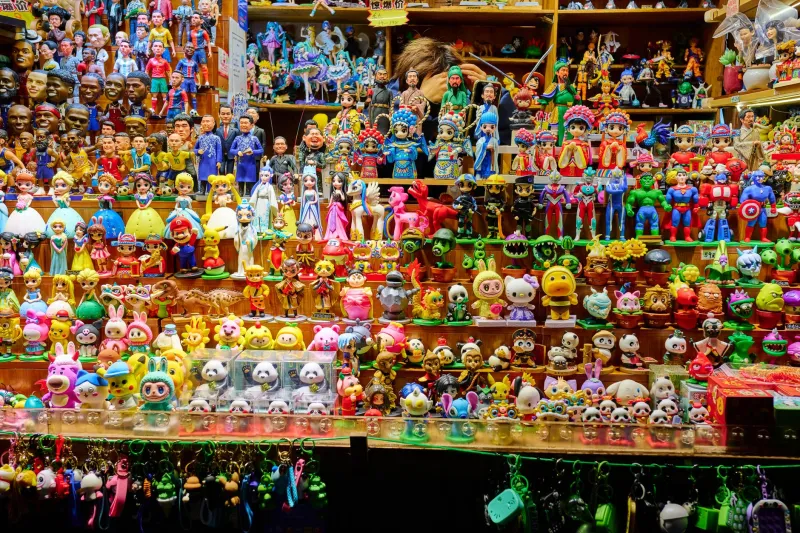
There's a moment at every major auction when a lot comes up and the room gets quiet in a different kind of way. Not the polite quiet of disinterest — the electric quiet of people doing math in their heads. That's been happening a lot lately whenever a carded, mint-condition He-Man or a sealed Transformers figure hits the block. These aren't comic books with decades of established investment history. They're toys. And right now, they're absolutely on fire.
If you've been watching the collectibles space from the sidelines, waiting for a category that hasn't already been picked clean by institutional money, vintage 1980s action figures might be the most compelling opportunity you've overlooked. Here's why serious collectors and first-time investors alike are paying attention.
The Nostalgia Wave Has Real Purchasing Power Behind It
Let's be honest about what's driving this market: nostalgia. But not the fuzzy, sentimental kind that gets you to pay $12 for a retro cereal bowl at a gift shop. This is targeted, financially backed nostalgia from a very specific demographic — adults who grew up in the 1980s and are now in their late 30s to mid-50s, many of them at peak earning years.
These are people who remember exactly what it felt like to rip open a Castle Grayskull playset on Christmas morning. And now they have disposable income, they know what they missed out on, and they're not messing around. When a collector in that bracket decides they want a mint-on-card Boba Fett or a first-release Optimus Prime, price becomes a secondary concern. Getting the piece becomes the priority.
This dynamic is fundamentally different from the comic book market, where a lot of value is tied to academic knowledge of print runs, restoration detection, and CGC grading nuances. With action figures, the emotional connection is immediate and universal among the target buyer pool.
The Numbers That Are Turning Heads
Let's talk specifics, because the price history here is genuinely jaw-dropping for anyone who hasn't been tracking this market.
A mint-on-card Rocket Firing Boba Fett — technically a prototype that Kenner never officially mass-produced — sold for over $185,000 a few years back. That's a single action figure. But even production pieces are climbing fast. Factory-sealed G.I. Joe vehicles from the early 1980s regularly fetch $3,000 to $8,000 depending on condition and specific release. A carded Masters of the Universe Faker figure in C-9 condition recently cleared $4,500 at a Heritage Auctions event — a figure that originally retailed for about $5.
Transformers are arguably the most volatile segment right now. First-edition, pre-rub Optimus Prime figures in mint boxed condition have sold for upward of $15,000. Mint-in-box Dinobots can hit $5,000 individually. And because Hasbro's original Transformers were produced in limited runs before the toy line exploded in popularity, genuine mint examples are far rarer than most people assume.
For context, a high-grade Silver Age comic can certainly hit those same numbers — but you're competing with a much more established, much more crowded market with deep-pocketed institutional collectors already baked in.
Why Action Figures Are Beating Comics as an Entry Point
This is where it gets interesting for newer collectors trying to figure out where to put their money and energy.
Graded comics have a sophisticated authentication and grading infrastructure built around CGC and CBCS. That's great for established collectors who understand the system, but it creates a steep learning curve and real risk for newcomers. Restoration detection, census manipulation, and grade inflation are genuine concerns in the comic market that require years of experience to navigate confidently.
Vintage action figures, by comparison, have a more intuitive value framework. Condition is still king — a carded figure with a crushed bubble is worth a fraction of a clean example — but the grading system (AFA, or Action Figure Authority, is the dominant player here) is less complex to understand. What you see is largely what you get. Sealed box? Intact card? Original accessories present? You're in business.
Scarcity is also more verifiable. Unlike comics, where multiple print runs and reprints cloud the waters, a first-production Masters of the Universe figure is either from that run or it isn't. Factory errors, variant paint applications, and regional releases add layers of nuance for advanced collectors, but the baseline is cleaner.
The Lines Worth Watching Right Now
Not every 1980s toy line is created equal from an investment standpoint. Here's a quick breakdown of where the smart money seems to be flowing:
Masters of the Universe (Mattel): The original 1982–1987 run is the sweet spot. Carded figures, especially early releases with the copyright stamp variations, are climbing steadily. The He-Man IP has staying cultural power, and Mattel's recent revival has introduced a whole new generation to the property.
Transformers Generation 1 (Hasbro): Arguably the highest ceiling of any 1980s line for top-tier pieces. Japanese Takara releases command a premium, but domestic Hasbro examples in mint boxed condition are no slouch. The movie franchise has kept this property culturally relevant in ways that sustain collector interest.
G.I. Joe: A Real American Hero (Hasbro): The vehicle and playset side of this line is undervalued relative to the carded figures, making it an interesting entry point. Carded single figures from 1982–1984 are the prestige tier.
Star Wars (Kenner): Yes, technically some of this extends into the late 1970s, but the 1980s run through Return of the Jedi is where a lot of accessible price points still exist — though that window is closing fast.
Condition Is Everything — And That's the Hard Part
If there's one thing that separates profitable action figure collecting from expensive nostalgia, it's an uncompromising focus on condition. The gap between a C-8 and a C-9 AFA grade can be thousands of dollars on a desirable figure. Yellowing cardbacks, crushed bubbles, price sticker remnants, punched hang tabs — all of it matters enormously.
This means estate sales and flea markets are increasingly risky territory unless you really know what you're looking at. The better plays right now tend to be through established auction houses, reputable dealers, and collector community marketplaces where provenance is cleaner. Yes, you'll pay more. But you'll also sleep at night.
The Bottom Line
Vintage 1980s action figures occupy a fascinating space in today's collectibles market — established enough to have real price history, but not yet so picked-over that genuine finds are impossible. The nostalgia engine powering buyer demand isn't slowing down anytime soon, and the scarcity of true mint examples only tightens as more pieces enter permanent collections.
If you're a collector looking for a category with emotional resonance, clear upside, and a lower barrier to entry than the graded comic market, this might be the moment to start your grail hunt. The vault is still open — but the best pieces aren't going to sit on the shelf much longer.