Sole Investments: How Rare Sneakers Became One of America's Most Surprising Asset Classes
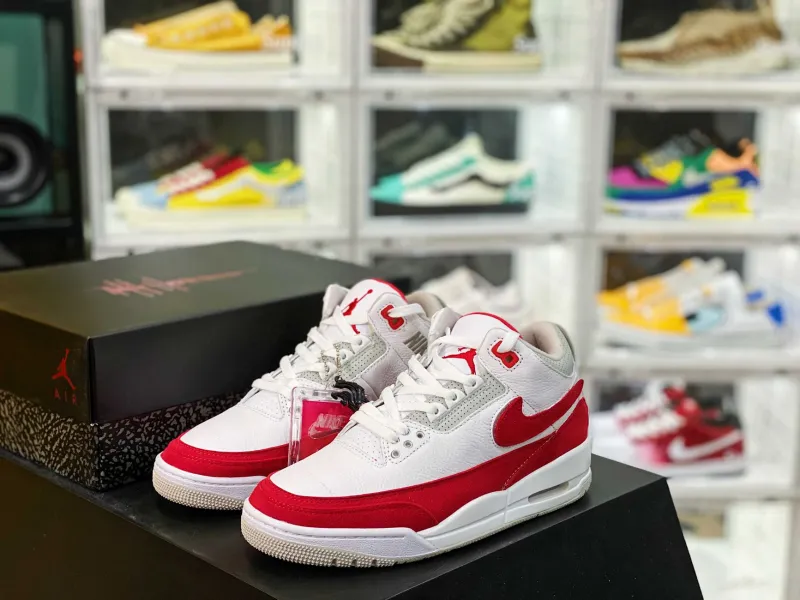
There's a pair of 1985 Air Jordan 1s sitting in a climate-controlled storage unit in Atlanta right now, still in the original box, tissue paper intact. The guy who owns them paid less than $100 for them decades ago. Today, depending on condition and grading, a deadstock pair from that original run can fetch anywhere from $10,000 to well over $30,000 at auction. That's not a typo — and it's not an outlier.
Sneaker collecting has quietly evolved from a subculture hobby into a full-blown alternative investment category, and the numbers back it up. The global sneaker resale market was valued at roughly $6 billion in 2023, with projections pushing past $30 billion by the early 2030s. For context, that's a growth trajectory that leaves a lot of traditional equity funds looking slow.
From Hoop Dreams to Hard Assets
The sneaker-as-investment story really picks up steam when you look at specific releases and their long-term appreciation curves. The Air Jordan 4 "Bred" from 1989 has appreciated over 2,000% in some documented resale cases. Nike's 2011 "Galaxy" Foamposite — originally retail priced around $220 — regularly trades in the $1,500 to $2,500 range depending on size and condition. Certain Yeezy colorways that launched between 2015 and 2018 have held value remarkably well even after Adidas flooded the market with re-releases.
What makes vintage and limited sneakers interesting as an asset isn't just nostalgia. It's scarcity combined with cultural relevance. A shoe tied to a specific moment — a championship run, a music video, a celebrity collaboration — carries a story that doesn't depreciate the way a company's quarterly earnings can. The emotional premium is real, and it's persistent.
The Authentication Wars Nobody Warned You About
Here's where things get complicated. As sneaker prices have climbed, so has the sophistication of fakes. The counterfeit sneaker industry is a multi-billion dollar shadow economy in its own right, and the replicas coming out of certain overseas factories are no longer the obvious fakes of the early 2000s. We're talking about shoes that fool the naked eye of even experienced collectors.
Platforms like StockX and GOAT built their entire business model around solving this problem. StockX runs every pair through a verification process before it ships to the buyer. GOAT uses a combination of human authenticators and image-based AI tools. Both have become the de facto trading floors of the sneaker investment world.
But neither is bulletproof. There have been high-profile controversies — StockX faced a lawsuit from Nike itself in 2022 over NFT-linked sneaker claims, and both platforms have had documented cases of authenticated fakes slipping through. If you're spending serious money on rare deadstock, third-party grading through services like PSA (yes, the card people — they now grade sneakers) or Sneaker Con's authentication program adds a layer of protection that resale platforms alone can't guarantee.
Graded sneakers sealed in acrylic cases have also started commanding premiums on their own, similar to how slabbed trading cards outperform raw equivalents. A PSA 9 or 10 graded Jordan can push significantly past what an ungraded pair in similar condition would bring.
Building a Closet Portfolio Without Getting Burned
Let's talk strategy, because buying sneakers to flip isn't the same as building a long-term collection with genuine appreciation potential.
Short-term resellers — the people camping outside Supreme drops or running bots on Nike's SNKRS app — are playing a different game than collectors building value over years. The reseller hustle is real and some people do well at it, but it's high-volume, high-stress, and increasingly competitive as bot technology democratizes access to drops for anyone willing to pay for the software.
Long-term sneaker investing looks more like this: identifying releases tied to cultural moments or athletes with enduring legacies, buying deadstock (unworn, original box, all accessories intact), storing properly (cool, dry, dark — UV light and heat destroy materials and foam midsoles), and being patient. The collector who bought a pair of Nike Air Yeezy 2 "Red Octobers" in 2014 for around $250 at retail and held them has seen values sit consistently in the $3,000 to $5,000 range for the better part of a decade.
Size matters more than most casual observers realize. Men's sizes 9 through 12 are the most liquid because they're the most common, which actually suppresses their value slightly compared to outlier sizes. A deadstock pair in a men's size 5 or size 15 of a highly desirable release can command serious premiums simply because the original production runs had fewer of them.
Hype Bubbles Are Real and They Pop
Not every limited sneaker holds its value, and this is the warning every new collector needs to hear plainly. The Yeezy market took a measurable hit when Adidas re-released numerous colorways after its split with Kanye West. Prices on previously "rare" Yeezys dropped 30 to 60 percent almost overnight on some models. The lesson: artificial scarcity is only as durable as the brand's commitment to maintaining it.
Similarly, the hype cycle around certain collaborations burns hot and fast. A Travis Scott collab drop might explode on release day and settle into a much more modest premium within 18 months once the cultural moment passes. Chasing hype without considering long-term cultural staying power is how collectors end up with a closet full of shoes that are hard to move.
Diversification matters here just like it does in any portfolio. Don't put your entire sneaker budget into one brand or one cultural moment. A mix of verifiably vintage deadstock, blue-chip Jordan colorways, and selective limited collabs gives you exposure to different appreciation timelines.
The Bottom Line for Serious Collectors
Sneakers have earned their seat at the alternative investment table. The infrastructure — authentication platforms, grading services, auction houses, and dedicated resale markets — is more mature than most people outside the hobby realize. For collectors at CollectorsVault who already think carefully about what they acquire and why, the sneaker market rewards exactly that kind of disciplined, research-driven approach.
Just remember: the best sneaker investments are the ones you'd be happy to keep even if the market cooled tomorrow. Collect what genuinely matters to you, protect what you own, and let the cultural staying power do the heavy lifting over time.


